WordPress in the headless era: benefits and implementation guide
Introduction
WordPress can still be useful in a modern stack, especially when the client already understands its editorial workflow. The headless approach keeps WordPress for content and moves the public interface to a custom frontend.
Why go headless
The main benefit is freedom. You can build the frontend with React, Next.js, Astro, Vue, or any tool that fits the product, while WordPress remains the content source.
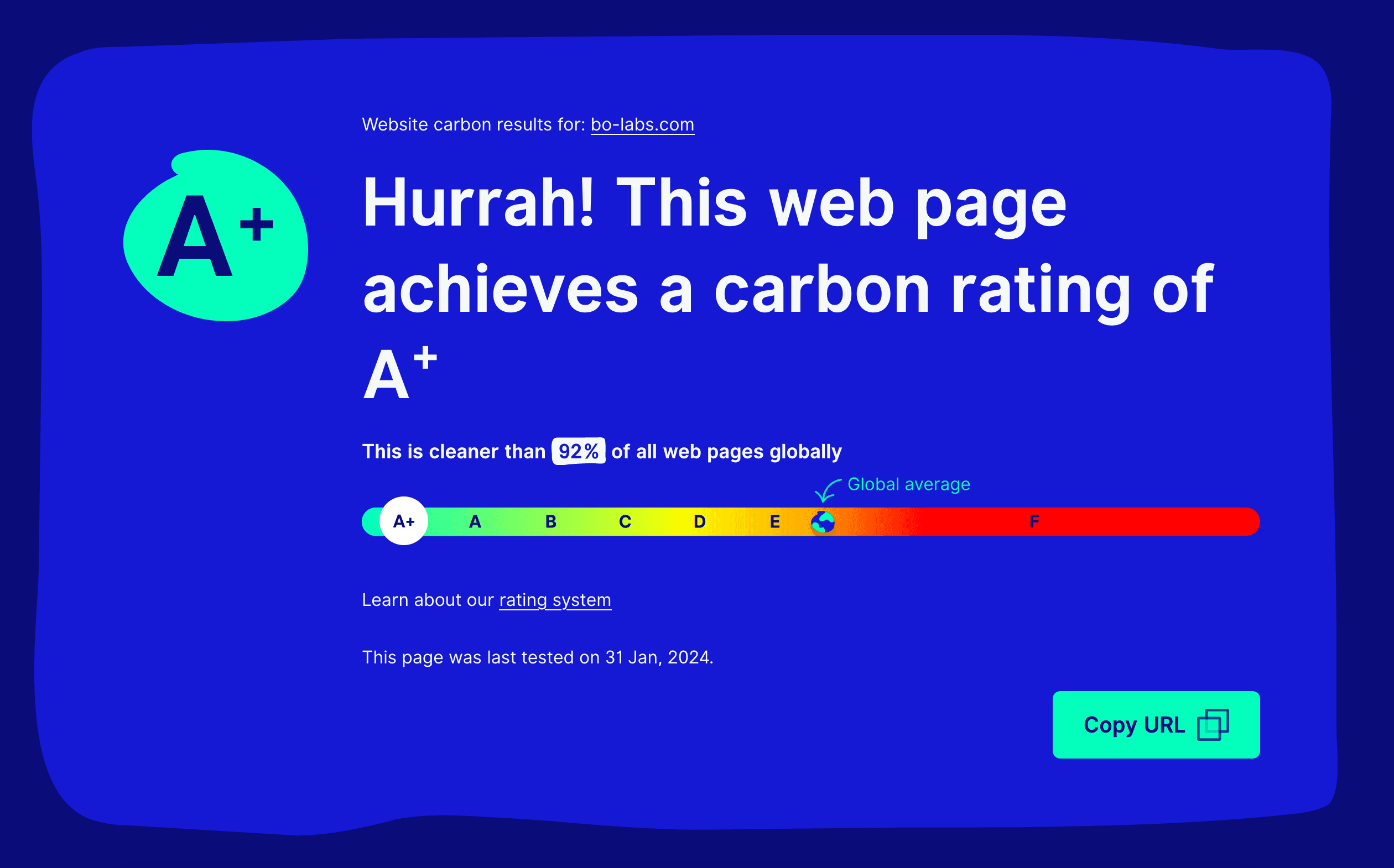
This can improve performance, reduce exposure of the WordPress backend, and make it easier to publish the same content across multiple channels.
Basic implementation path
Start with a clean WordPress installation, make sure the REST API is available, and model the content carefully. Then build a frontend that fetches posts, pages, media, and custom fields from the API.
async function getPosts() {
  const response = await fetch('https://example.com/wp-json/wp/v2/posts')
  return response.json()
}
From there, you can add static generation, preview workflows, cache rules, image handling, and deployment automation.
Conclusion
Headless WordPress is a smart middle ground when a client needs the familiar CMS, but the website deserves a faster and more custom front end.